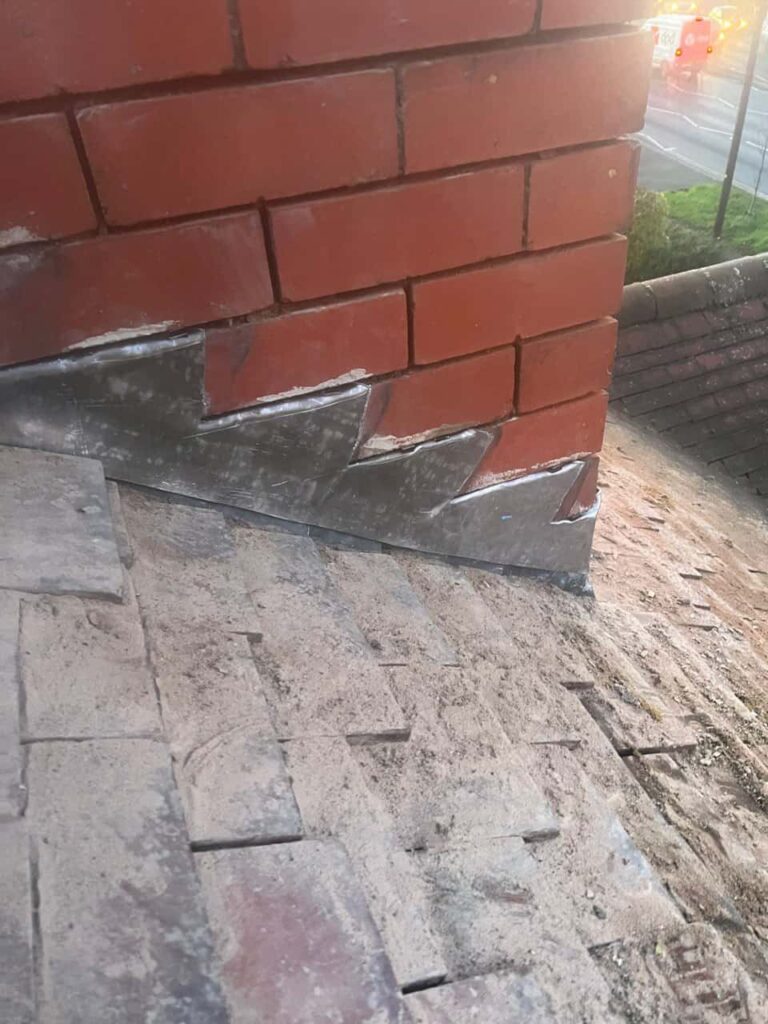
A roof leak is one of the most common issues homeowners face, yet many underestimate how quickly a small leak can escalate into widespread damage. What appears to be a minor drip or a faint stain on the ceiling can, in reality, be the early sign of water travelling far from its entry point. Roof leaks rarely stay contained, and the speed at which they spread often surprises homeowners.
For properties in Glenfield and across Leicestershire, understanding why leaks develop and how they move through a roofing system is essential for preventing costly long-term issues.
Water Rarely Travels Straight Down
One of the main reasons roof leaks spread so quickly is that water does not follow a direct vertical path once it enters the roofing system. Instead, it can travel along:
- Rafters
- Battens
- Insulation
- Joists
- Internal frameworks
Because of this, the visible stain inside the home is often far from the actual point of entry. This makes leaks harder to detect and allows the problem to expand before it becomes obvious.
Roofing Materials Absorb and Hold Moisture
Many roofing components are absorbent, meaning they can take in moisture and hold it for extended periods. Once materials become saturated, the water continues to move deeper into the structure.
Commonly affected materials include:
- Plasterboard
- Wooden beams
- Underfelt
- Insulation
As these elements absorb water, the leak spreads silently, increasing the potential for structural damage long before visible signs appear.
Small Gaps Quickly Become Larger Entry Points
A minor defect—such as a lifted tile, cracked slate, or failing flashing—may not seem urgent at first. However, once water begins entering through even the smallest gap, the defect often worsens rapidly.
Water infiltration can:
- Loosen fixings
- Expand cracks
- Undermine mortar
- Increase tile movement
Within a short time, a tiny imperfection becomes a larger opening, allowing more water to penetrate and spread through the roof.
Wind-Driven Rain Worsens Existing Weaknesses
Leicestershire’s weather often includes strong winds, especially during autumn and winter. Wind-driven rain can push water into gaps that would otherwise remain dry.
This can lead to:
- Sudden increases in water penetration
- Leaks spreading to new areas of the roof
- Moisture being forced under tiles and flashings
Wind pressure accelerates the speed at which water infiltrates, particularly during storms.
Insulation Conceals Moisture, Allowing It to Spread
Modern homes often contain thick insulation within the loft space, which can mask the early signs of a leak. Because insulation absorbs moisture, the leak can continue spreading without dripping immediately into the living spaces below.
This delay leads to:
- Extensive damp patches developing unnoticed
- Larger sections of insulation becoming saturated
- Moisture spreading horizontally across the loft
By the time the problem becomes visible, the water may have travelled a considerable distance.
Internal Heat Draws Moisture Further Into the Property
Warm air from the home rises, especially during colder months. When a leak is present, this heat can draw moisture deeper into the roofing structure and loft space.
This encourages:
- Faster movement of water across internal surfaces
- Increased condensation levels
- Damp conditions that accelerate timber deterioration
The combination of warm air and moisture can turn a small leak into a more extensive problem surprisingly quickly.
Conclusion
Roof leaks spread far faster than most homeowners realise, travelling unseen through insulation, timber, and internal frameworks. Even a small defect can evolve into a large-scale problem within a short time, especially during periods of wind and heavy rain. Addressing issues early is the most effective way to prevent widespread damage.
If you suspect a leak or have noticed early warning signs, Glenfield Roofing Repairs provides professional inspections and expert repair services throughout Glenfield, Leicestershire. Contact us today to arrange a prompt assessment and protect your home from further damage.
Call us on: 0116 502 2198
Click here to find out more about Glenfield Roofing Repairs
Click here to complete our contact form and see how we can help with your roofing needs.